

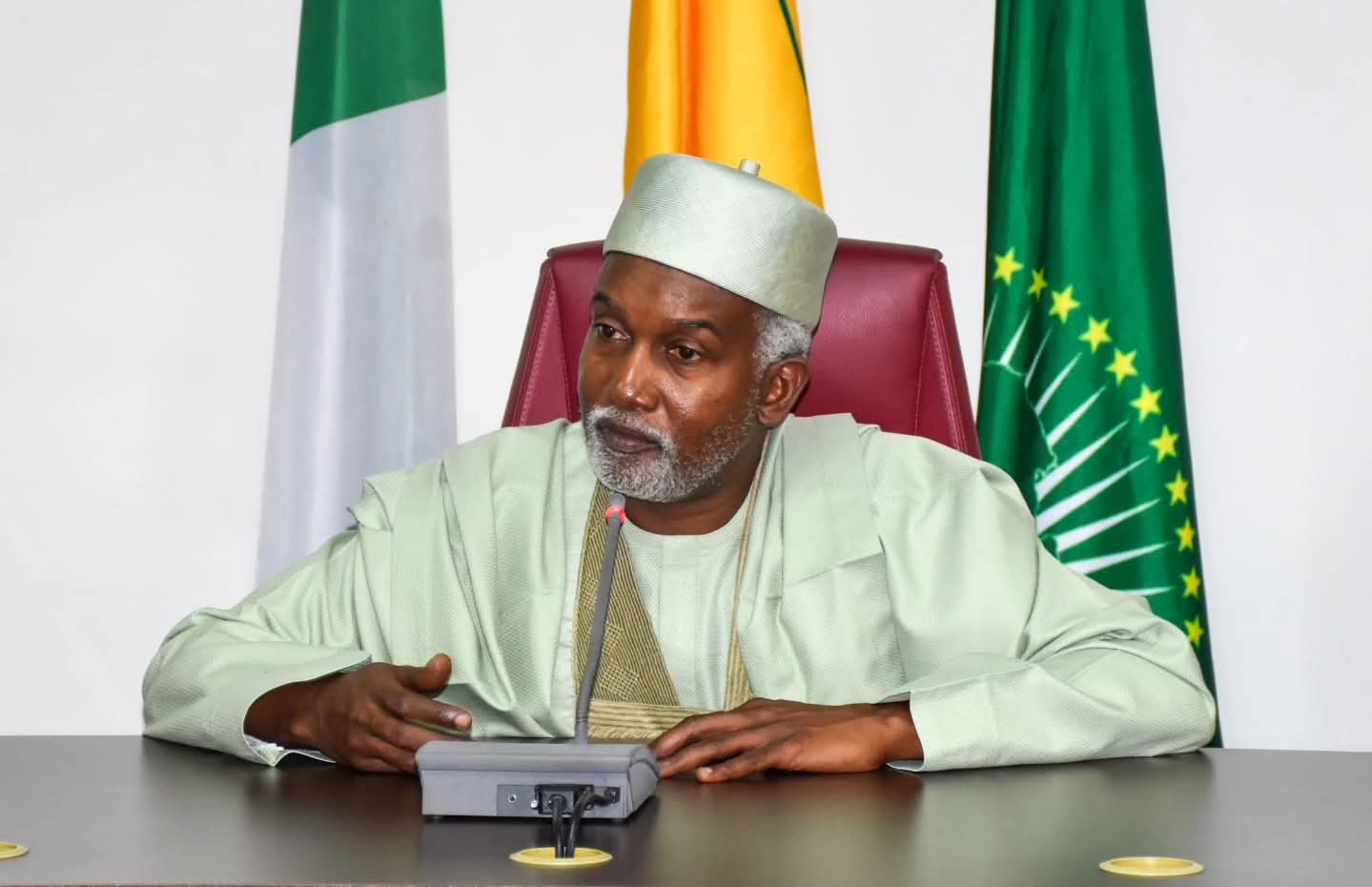
As political conversations gradually shift toward the 2027 elections, the political landscape of Bauchi State is beginning to attract national attention. This is largely due to the presence of two prominent figures from the state currently serving in the cabinet of President Bola Ahmed Tinubu.
They are Muhammad Ali Pate and Yusuf Maitama Tuggar, both of whom have significant influence at the federal level and growing political relevance in their home state.
While it is still early to determine how events will unfold, political observers say the roles and influence of these two ministers could shape political discussions in Bauchi as the state moves closer to the next electoral cycle.
Federal Presence and Local Politics
The appointment of both ministers by President Tinubu has placed Bauchi among the states with strong representation in the federal cabinet. This development has raised expectations among many residents who believe it could translate into greater federal attention and development opportunities for the state.
At the same time, political stakeholders are closely watching how the ministers’ national responsibilities may intersect with local political dynamics.
Technocratic Experience and Policy Influence
Muhammad Ali Pate is widely regarded as a technocrat with extensive international experience in public health and development policy. His career includes leadership roles in global health institutions and policy circles.
Supporters believe such experience could bring a development-oriented perspective to governance discussions in Bauchi, particularly in areas such as healthcare, human capital development and institutional reforms.
However, Bauchi politics, like many states in Nigeria, is deeply rooted in grassroots structures, community influence and political alliances, factors that often play a decisive role in electoral contests.
Political Networks and Diplomatic Visibility
On the other hand, Yusuf Maitama Tuggar brings a blend of political experience and diplomatic exposure. His role as Nigeria’s top diplomat has increased his national and international profile while maintaining connections within political circles in Bauchi.
Observers say his political background and party relationships could also position him as an influential actor in shaping future political alignments within the state.
Also Read:Dambam LGA Defends N8.5BN 2026 Budget Before Bauchi Assembly Committee
The Role of the Current Political Structure
The current administration of Governor Bala Mohammed under the Peoples Democratic Party continues to play a central role in the state’s political structure.
As 2027 approaches, analysts expect political alliances, party strategies and zoning considerations to become increasingly important factors in determining how the political field evolves.
The strength of the opposition, particularly the All Progressives Congress, will also influence how competitive the political environment becomes.
Looking Ahead
For now, discussions around Bauchi’s political future remain largely speculative. What is clear, however, is that the presence of influential national figures from the state adds an interesting dimension to the political conversation.
As political activities gradually build toward 2027, stakeholders, party leaders and voters across Bauchi will ultimately determine the direction the state’s politics will take.
For many observers, the coming years are likely to reveal how federal influence, local political structures and public expectations combine to shape the next phase of leadership in the state.
Recent:AN KUBUTAR MUTANE 12 DAGA HANUN MASU GARKUWA DA MUTANE